
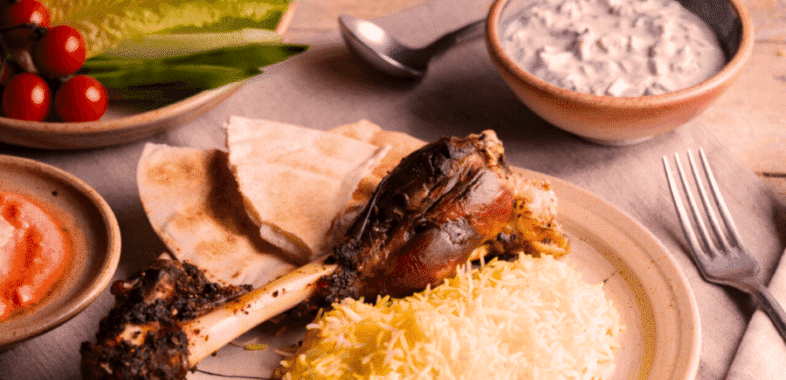
What to Eat in Musandam: A Guide to Local Food & Seafood
Nestled at the northern tip of Oman, the Musandam Peninsula offers a unique culinary landscape shaped by its dramatic geography—where jagged mountains plunge into the azure waters of the Strait of Hormuz. The cuisine here reflects this duality, blending fresh seafood bounty with traditional Omani mountain flavors, creating a dining experience unlike anywhere else in the Arabian Gulf.
The Culinary Identity of Musandam (Omani Food Culture)
Musandam’s food culture is deeply rooted in its maritime heritage and Bedouin traditions. The local Shihuh people have sustained themselves for centuries on what the sea provides and what can grow in the harsh mountain terrain. This has created a cuisine that is simple yet flavorful, emphasizing fresh ingredients and time-honored cooking methods.
Fresh Seafood
The waters surrounding Musandam teem with marine life, making seafood the cornerstone of local cuisine. The most prized catches include:
Kingfish (Kanaad)
Perhaps the most beloved fish in Musandam, kingfish is grilled whole or cut into steaks and seasoned with local spices. The firm, meaty texture makes it perfect for grilling over charcoal, which gives it a distinctive smoky flavor.
Hammour (Grouper)
This Gulf favorite is served in various preparations. Many restaurants offer it fried with a crispy coating, baked with Omani spices, or prepared in curry-style gravies with tomatoes and aromatic seasonings.
Lobster
Musandam’s rocky coastline harbors excellent lobster populations. Fresh lobster is typically grilled with garlic butter or prepared in traditional Omani style with lime and local spices.
Squid and Octopus
Often marinated in turmeric, cumin, and chili before being grilled or fried, these are popular options in local eateries.
Prawns and Shrimp
Large, sweet prawns are abundant and served grilled, fried, or in richly spiced curries.
Traditional Omani Seafood Dishes
Mashuai
A signature Omani dish featuring whole roasted kingfish served on a bed of fragrant rice, accompanied by a tangy lemon sauce made with dates. This dish exemplifies Musandam’s approach to seafood: simple preparation that honors the quality of the catch.
Fried Fish
Whole fish marinated in a blend of turmeric, cumin, coriander, and chili, then deep-fried until crispy. Served with fresh lime and flatbread.
Fish Curry
A hearty preparation where fish is simmered in a sauce of coconut milk, tomatoes, and aromatic spices, reflecting the Indian Ocean trade influences.
Traditional Meat & Rice Dishes
Shuwa
Though more common during festivals, some restaurants prepare this ceremonial dish. Marinated lamb or goat is wrapped in banana or palm leaves and slow-cooked in an underground sand oven for up to 48 hours, resulting in incredibly tender, aromatic meat.
Harees
A comforting porridge-like dish made from wheat and meat (usually chicken or lamb), cooked together until they blend into a creamy consistency, seasoned with cardamom and ghee.
Majboos (Kabsa)
Spiced rice cooked with meat (chicken, lamb, or goat) in a fragrant stock infused with cardamom, cinnamon, cloves, and saffron. The rice absorbs all the flavors, creating an aromatic one-pot meal.
Mishkak
Marinated meat skewers grilled over charcoal, similar to kebabs. The marinade typically includes yogurt, garlic, ginger, and a blend of spices.
Omani Bread, Dates & Sweets
Khubz Rahal (Omani Flatbread)
Khubz Rahal is a traditional Omani flatbread, baked fresh daily and served warm alongside almost every meal. Its soft, slightly chewy texture makes it ideal for scooping up dips, curries, and sauces — a staple you’ll find at nearly every table in Musandam.
Dates
No Omani meal or greeting is complete without dates. Oman is renowned for the quality of its dates, which are offered as a traditional welcome gesture to guests and enjoyed throughout the day as a naturally sweet, energy-rich snack. They’re often paired with a cup of kahwa (Omani coffee) as a sign of hospitality.
Omani Halwa
Omani halwa stands apart from other regional varieties thanks to its rich, gelatinous texture — closer to a dense jelly than a typical confection. Slow-cooked and infused with rosewater, saffron, and crushed nuts, it’s traditionally served to guests as a gesture of warmth and is one of the most iconic sweets to try while in Musandam.
Famous Restaurants and Dining Spots in Khasab
Khasab, the main town in Musandam, offers a range of dining experiences from casual local eateries to hotel restaurants with stunning views.
Khasab Hotel Restaurant
Located within the Khasab Hotel (one of the few established hotels in the area), this restaurant offers a mix of international and Omani cuisine in a comfortable setting. The restaurant features air-conditioned indoor seating and sometimes an outdoor terrace with mountain views. Their seafood dishes are particularly recommended, especially the grilled hammour and kingfish preparations. They also serve traditional Omani dishes like majboos and harees. The restaurant provides a reliable option for tourists seeking familiar service standards along with local flavors.
Atana Musandam Resort Restaurant
Part of the Atana Khasab hotel, this restaurant provides one of the more upscale dining experiences in Musandam. With views overlooking the harbor and mountains, the restaurant serves a buffet-style breakfast and à la carte lunch and dinner. Their menu includes fresh seafood brought in daily from local fishermen, prepared with both traditional Omani methods and contemporary techniques. The grilled seafood platters are particularly popular, as are their regional specialties. The setting provides a pleasant atmosphere for evening dining with the sunset over the fjords.
Local Fish Market Eateries
Near the Khasab fish market, several small, casual restaurants and food stalls serve the freshest seafood you’ll find anywhere. These unpretentious establishments let you select your fish from the market, and they’ll prepare it to your specifications—usually grilled or fried with rice and salad. This is the most authentic way to experience Musandam’s seafood culture. The fish is often caught that morning, and prices are very reasonable. Don’t expect fancy decor, but the quality and freshness of the seafood is unmatched.
Bukha Fort Area Cafés
In and around the Bukha area (a nearby coastal settlement), small cafés and restaurants cater to locals and visitors. These spots serve traditional Omani breakfast items like balaleet (sweet vermicelli with eggs), as well as lunch dishes including various curries, grilled meats, and rice preparations. The atmosphere is casual and welcoming, offering a glimpse into everyday Musandam dining.
Dhow Cruise Lunch
While not only restaurants, many Musandam dhow cruises that explore the Musandam fjords also include freshly prepared meals onboard. These typically feature grilled fish or chicken, fresh fruits, salads, and rice dishes. The experience of eating while cruising through the dramatic limestone cliffs and turquoise waters adds immeasurably to the meal. Many operators catch fish during the cruise and grill it fresh on board.
Kumzar Village Dining Experiences
For the adventurous, the remote fishing village of Kumzar (accessible only by boat) offers the most authentic Musandam dining experience. There are no formal restaurants, but arrangements can sometimes be made through tour operators to enjoy a meal with local families. This provides an opportunity to taste home-cooked Musandam specialties in their most traditional form, though such experiences require advance planning and cultural sensitivity.
Small Cafés and Shawarma Shops
Throughout Khasab’s main street and near the port area, you’ll find several small cafés and shawarma shops run by expatriate communities (primarily from South Asia and the Levant). These serve excellent value meals, including shawarma, grilled chicken, biryanis, and various curry dishes. While not specifically Omani, they’re popular with locals and provide good, inexpensive dining options.
Drinks and Beverages
Kahwa (Omani Coffee)
Omani coffee is central to hospitality culture. It’s flavored with cardamom and sometimes rosewater, served in small cups without handles. It’s lighter and more aromatic than typical Arabic coffee.
Laban
On a hot Musandam afternoon, few things hit the spot like a cold glass of laban. This salted buttermilk drink is tangy, refreshing, and surprisingly cooling — a favorite among locals for beating the heat and settling the stomach after a heavy meal.
Fresh Juice
Wander through Khasab and you’ll spot juice stalls and small cafés blending fruit right in front of you. Orange, mango, and mixed fruit combinations are the go-to choices, made fresh on the spot with no shortage of flavor or color.
Qamar Al-Din
Come Ramadan, one drink takes center stage: qamar al-din, a sweet apricot juice traditionally used to break the fast. Thick, fruity, and slightly tart, it’s as much a part of the season here as the fast itself.
Dining Customs and Etiquette in Musandam
Eating with Your Right Hand — In traditional settings, food is often eaten with the right hand. While utensils are always available in restaurants, being aware of this custom is respectful.
Generous Hospitality — Omanis are known for their hospitality. If invited to share a meal, it’s considered polite to accept. Always accept kahwa and dates when offered.
Meal Times — Lunch is the main meal, typically served between 12:30 PM and 2:30 PM. Dinner is usually later, after 7 PM, especially during summer months.
Ramadan Considerations — During Ramadan, most restaurants close during daylight hours. Some hotels continue serving guests discreetly indoors, but eating, drinking, or smoking in public during fasting hours is prohibited and disrespectful.
Modest Dress — While Musandam is relatively relaxed, modest dress is appreciated when dining out, particularly in local establishments.
Where to Buy Local Ingredients
The Khasab Fish Market is a must-visit for food enthusiasts. Early morning (around 6-7 AM) is the best time to see the catch being brought in and sold. The variety and freshness are impressive, and it’s an excellent place to photograph the maritime culture.
The Khasab Souq offers dates, spices, dried limes (loomi), frankincense, and other local ingredients. Even if you’re not cooking, it’s worth visiting to understand the aromatic foundations of Omani cuisine.
Practical Tips for Eating in Musandam
Limited Alcohol — As in all of Oman, alcohol is not served in standard restaurants. Some hotel restaurants with licenses may serve alcohol to guests, but options are limited.
Cash Preference — While larger hotels accept cards, smaller restaurants and cafés often prefer cash (Omani rial).
Limited Dining Options — Compared to Muscat or Dubai, Musandam has fewer restaurant options. It’s advisable to plan meal times accordingly, especially if staying outside Khasab town.
Language — English is widely understood in tourist-oriented establishments, but in smaller local cafés, basic Arabic phrases or pointing at menu items works well.
The Experience Beyond the Plate
Dining in Musandam is as much about the setting as the food itself. Whether you’re eating grilled kingfish on a dhow with fjords rising around you, sharing kahwa with locals in a harborside café, or enjoying the sunset over the mountains from a hotel restaurant, the dramatic landscape enhances every meal.
The cuisine reflects the resilience and resourcefulness of the Musandam people—making the most of what the sea provides and what can be cultivated or herded in the mountains. It’s honest, flavorful food that tells the story of this remarkable peninsula where Arabia meets the sea.
For food lovers, Musandam offers not just sustenance but a window into a unique culture where maritime traditions and mountain heritage blend into a distinctive culinary identity. The freshness of ingredients, the warmth of Omani hospitality, and the stunning natural backdrop make dining here an unforgettable part of any visit to this spectacular corner of the Arabian Peninsula.

Experiences You May Like
Comment (1)
Comments are closed.
Plan A Trip To Musandam? 10 Reasons to Book Your Tour
September 26, 2026[…] dishes, grilled chicken or fish, vegetable gravy, hummus, and fresh salads. For a complete guide on what to eat and food options while visiting, check out our dedicated […]